
What Is AI Grading? Benefits, Risks, and Examples for Teachers
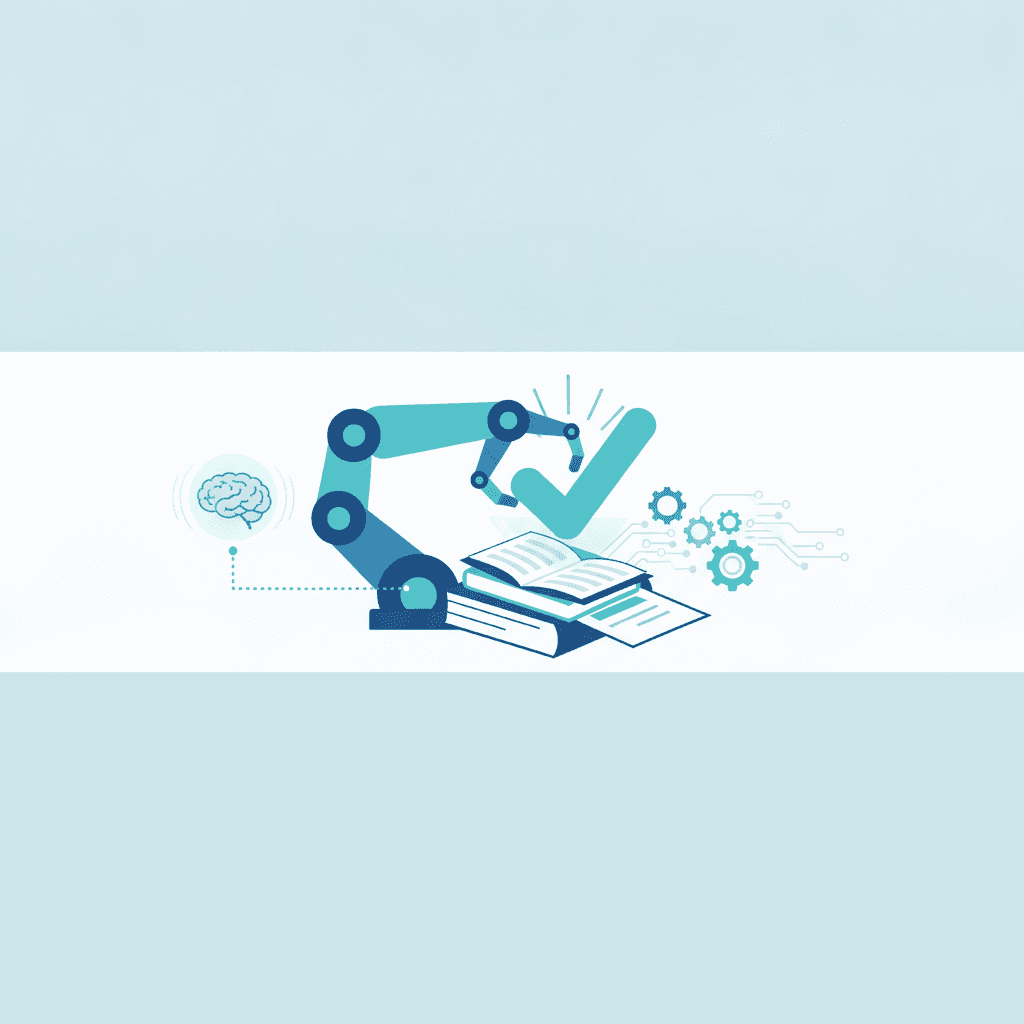
AI grading is the use of artificial intelligence to evaluate student work, apply a rubric, and return scores or feedback faster than manual marking alone. For schools, colleges, tutoring teams, and coaching centers, the best use of AI grading is not to replace educators. It is to remove repetitive checking, standardize rubric application, and give teachers more time for judgment, intervention, and feedback conversations.
Quick summary
- AI grading helps teachers score essays, worksheets, subjective answers, and handwritten responses with consistent rubric logic.
- The strongest systems keep a human review step for edge cases, high-stakes exams, and nuanced writing.
- IntelGrader focuses on education workflows: answer sheets, rubrics, handwritten work, coaching-center batches, and school assessment operations.
Key facts at a glance
- AI grading is most useful when the rubric is explicit, the expected answer is defined, and the teacher can review exceptions.
- It can reduce repetitive first-pass checking time from hours to minutes for large batches of similar responses.
- It works best as a feedback and moderation layer, not as an unsupervised black-box final judge.
- Handwritten answer evaluation needs OCR, layout detection, answer segmentation, rubric scoring, and confidence flags.
- Schools should measure accuracy by agreement with expert teachers, consistency across sections, and quality of feedback.
What is AI grading?
AI grading means using machine learning, language models, OCR, and rubric-based scoring logic to evaluate student answers. In practice, an AI grading system reads the submitted work, identifies the question or criterion, compares the response with a rubric or expected answer, and produces a score, feedback, or review recommendation.
For a teacher, the workflow is simple: upload or collect student responses, choose the assessment and rubric, let the system run a first pass, then review the outputs that need attention. The useful output is not just a number. A strong AI grading workflow explains why marks were awarded, where the student lost credit, and what the student should improve next.
That is why AI grading is closely related to smart grading, but not identical. Smart grading is the broader operating model: faster assessment, better feedback loops, moderation, reporting, and teacher control. AI grading is the scoring engine inside that model.
How AI grading works in education
Most education-grade AI grading systems use several steps.
First, the platform ingests student work. That may be a typed essay, a worksheet photo, a PDF answer sheet, a scanned notebook page, or an online quiz response. If the work is handwritten, the system needs OCR and document understanding before it can score anything. This is why handwritten answer grading AI is harder than grading typed text.
Second, the system identifies the answer boundaries. In a real classroom or coaching-center exam, one page may contain multiple answers, rough work, diagrams, crossed-out lines, and teacher markings. The AI must know which response belongs to which question.
Third, the answer is evaluated against a rubric. A good rubric tells the system what counts as a complete answer, partial answer, misconception, missing step, or unsupported claim. Rubric alignment matters more than generic intelligence. If the rubric is weak, the grading will be weak.
Fourth, the system produces a score, feedback, and confidence signal. The confidence signal is important. It tells the teacher which answers are safe to accept and which should be manually reviewed.
Finally, the teacher moderates the results. In high-stakes settings, the AI should act as a fast first-pass assistant. The teacher remains accountable for final judgment.
Where AI grading helps most
AI grading is strongest in repeated assessment workflows where teachers handle large volumes of similar responses.
In schools, it can help with weekly writing tasks, worksheet checks, short-answer science questions, practice tests, and formative assessments. The teacher gets fast class-level insight: which concepts are understood, which questions caused confusion, and which students need help.
In tutoring and coaching centers, AI grading is useful for batch checking. Many centers run frequent practice tests for competitive exams. Manual checking slows down feedback. AI grading can process large answer batches, highlight weak topics, and help academic heads compare performance across batches.
In higher education, AI grading can support rubric-based essay feedback, lab reports, and open-ended assignments. The key is transparency. Students and faculty should understand the rubric, the review process, and the limits of automation.
For worksheet-heavy teams, AI worksheet grading from photos is often the practical starting point. It solves a daily operational problem without forcing every student into a new digital test-taking interface.
Benefits of AI grading
The first benefit is speed. Teachers spend a large amount of time on repetitive checking. AI grading can complete the first pass quickly, which shortens the feedback cycle. Faster feedback matters because students learn more when corrections arrive while the task is still fresh.
The second benefit is consistency. Two teachers may apply the same rubric differently, especially across large batches or long marking sessions. AI grading can apply the same rubric logic repeatedly, then surface uncertain cases for review.
The third benefit is visibility. When every answer is processed in a structured way, leaders can see patterns: common misconceptions, question-level difficulty, rubric criteria that students miss, and batches that need reteaching.
The fourth benefit is teacher focus. Teachers should spend more time on judgment, instruction, and intervention, not on mechanical checking. AI grading moves low-value repetition away from the teacher while keeping expert review available.
Risks and limits of AI grading
AI grading has real limits. It can misread handwriting, miss unusual but valid reasoning, over-reward fluent writing, or under-reward creative answers that do not match expected phrasing. It may also inherit bias from poor training data or from a vague rubric.
The answer is not to avoid AI entirely. The answer is to design the workflow responsibly.
Use clear rubrics. Keep teacher review for high-stakes decisions. Track agreement between AI scores and expert scores. Show evidence for each score. Let teachers override results. Keep a record of changes. Avoid fully automated final grades for sensitive assessments unless the system has been validated for that use case.
This is why rubric based AI grading is so important. The rubric is the contract between curriculum intent and automated scoring.
What to look for in AI grading software
Good AI grading software for teachers should support your real assessment format. If students write by hand, the tool must handle handwriting and scanned answer sheets. If teachers use rubrics, the tool must let them define criteria clearly. If leaders need reporting, the tool must summarize performance by question, concept, class, and batch.
Look for these capabilities:
- Rubric-based scoring with teacher-editable criteria.
- OCR and document understanding for handwritten work.
- Confidence scores and review queues.
- Feedback explanations, not just marks.
- Batch upload for answer sheets and worksheets.
- Exportable reports for teachers, students, and academic heads.
- Human override and moderation history.
- Privacy and access controls for student data.
A generic essay checker is not enough for most schools. The stronger fit is an AI grading software for teachers that understands classroom and coaching workflows.
AI grading examples
A middle-school English teacher can use AI grading to review first drafts against a writing rubric. The system flags weak thesis statements, missing evidence, and unclear structure. The teacher reviews the suggestions and decides what feedback to send.
A math teacher can use AI grading to check handwritten steps. The system identifies whether the student chose the right method, made an arithmetic error, or skipped a step. The teacher focuses on misconceptions instead of just marking wrong answers.
A coaching center can upload scanned answer sheets from a practice test. AI grading separates answers by question, applies the expected-answer rubric, and creates a batch report. Academic heads can see which topics need reteaching before the next test.
A school leader can use AI grading analytics to compare rubric performance across sections. If one question has unusually low scores, the team can inspect whether the question was unclear, the concept was not taught well, or the rubric needs adjustment.
How IntelGrader approaches AI grading
IntelGrader treats AI grading as an assessment workflow, not just a scoring feature. The goal is to help education teams grade faster while preserving teacher control.
The workflow starts with the actual work students already submit: answer sheets, worksheets, handwritten responses, subjective answers, and rubric-based tasks. IntelGrader then helps structure the response, apply scoring logic, generate feedback, and surface items that need teacher review.
That matters because schools and tutoring teams rarely need a toy demo. They need a reliable system that fits existing exams, existing teachers, and existing academic operations.
FAQ
What is AI grading?
AI grading is the use of artificial intelligence to score student work, apply rubrics, and generate feedback. In education, it is most useful when teachers can review and override the AI's recommendations.
Can AI grade handwritten answers?
Yes, AI can grade handwritten answers when the platform includes OCR, answer segmentation, rubric scoring, and confidence checks. Handwriting quality, page layout, and subject complexity affect accuracy.
Is AI grading accurate enough for schools?
AI grading can be accurate for structured rubrics and repeated assessment formats, but schools should validate it against expert teacher scores. High-stakes grades should keep a human moderation step.
What is the best AI grading software for teachers?
The best AI grading software for teachers supports rubrics, handwritten work, batch uploads, feedback explanations, review queues, and school-level reporting. It should fit the teacher's existing assessment workflow.
Does AI grading replace teachers?
No. The practical role of AI grading is to reduce repetitive checking and give teachers faster insight. Teachers still define the rubric, review uncertain cases, and make final instructional decisions.
How should a school start with AI grading?
Start with a low-risk workflow such as practice worksheets, short-answer checks, or formative assessments. Compare AI scores with teacher scores, tune the rubric, and expand only after the review process is trusted.
Ready to transform your grading?
See how IntelGrader can save your tutoring centre 10+ hours per week with AI-powered grading.